


2019****
The good rainfall during autumn 2018 continued until January 2019 when cold days began with some frost and a splash of snow. In February, the entry of high pressure led to a significant rise in temperature with the absence of rain which continued for about two months, so that unusually we started talking about drought. During the last moon of February, the particularly favorable weather allowed us to prune the vineyards. On 4th April, abundant rain interrupted the dry period, accompanied by a drop in temperatures which continued beyond the middle of May. On May 7th and 8th the minimum reached close to 0 ° C. Until May 29 it continued to rain even with real water bombs, fortunately the low temperatures did not favor the development of fungal diseases. On two occasions we have been forced to carry out the treatments with shoulder pumps to avoid excessive trampling with the tractor.
Since the beginning of June, after the rains have ended, there has been a strong temperature change with the highs that have also risen by 15 ° C, heat which then continued also in July and August. Fortunately, both in late July and after mid-August two heavy downpours restored water availability. In particular, the rain after mid-August was useful for lowering the temperatures. The beautiful sunny days of September and the good night excursions allowed the achievement of a good phenolic maturity near the technological maturity (it was a few years that did not happen …). The harvest began on 7 September with the grapes destined for rosé and ended on 21 with the grapes for Candito. The result of the generous 2019 harvest are wines that are certainly a little more diluted than the previous two harvests but certainly with an excellent aromatic complexity.
2014****
The 2014 vintage is the result of a weather trend almost entirely outside the norm, characterised by a fall and winter of mild temperatures. Truly cold days could be counted on the fingers of one hand. Spring helped to rebalance the entire year with average temperatures and rainfall. With the exception of one week in June the summer was relatively cool with frequent (too frequent!!!) rainfalls, which eased off somewhat in the month of August fortunately. Obviously all of this had its influence on the concentration of the grapes. .
The wines produced are particularly interesting for their elegance and aromatic complexity.
2013****
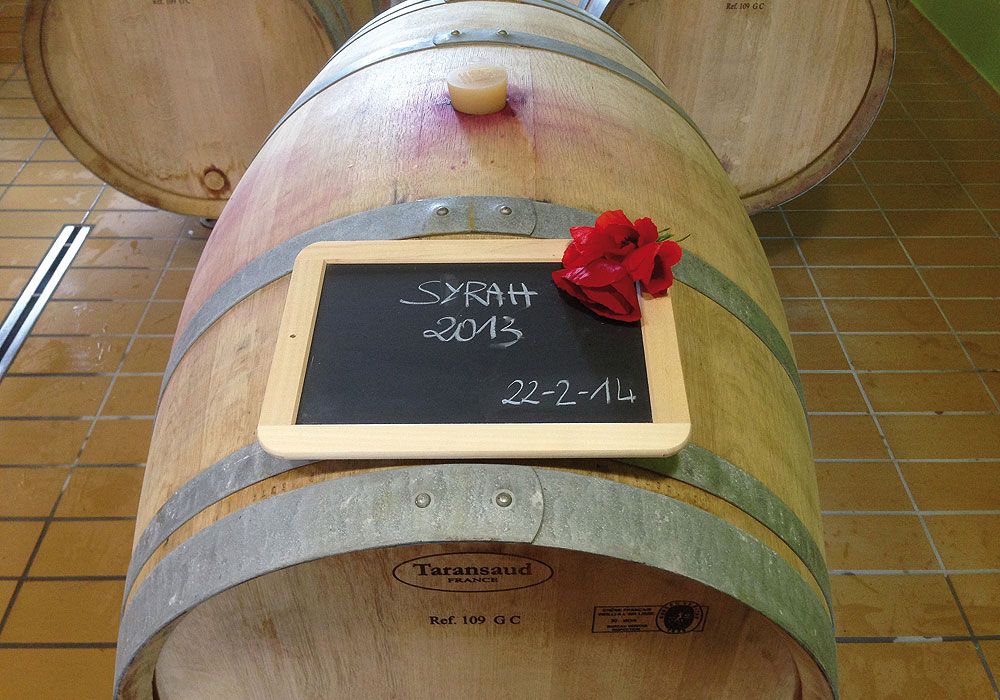
If we had to identify a rainy vintage 2013 would certainly be a candidate. It was a year of abundant rains that continued through winter into the spring, followed by a summer in which the rainfall was practically rhythmical.
Mild spring temperatures preceded a summer that was not particularly hot. Fortunately the first weeks of September were hot with pronounced nocturnal temperature fluctuations.
The wines of this year are distinguished by their equilibrium.